
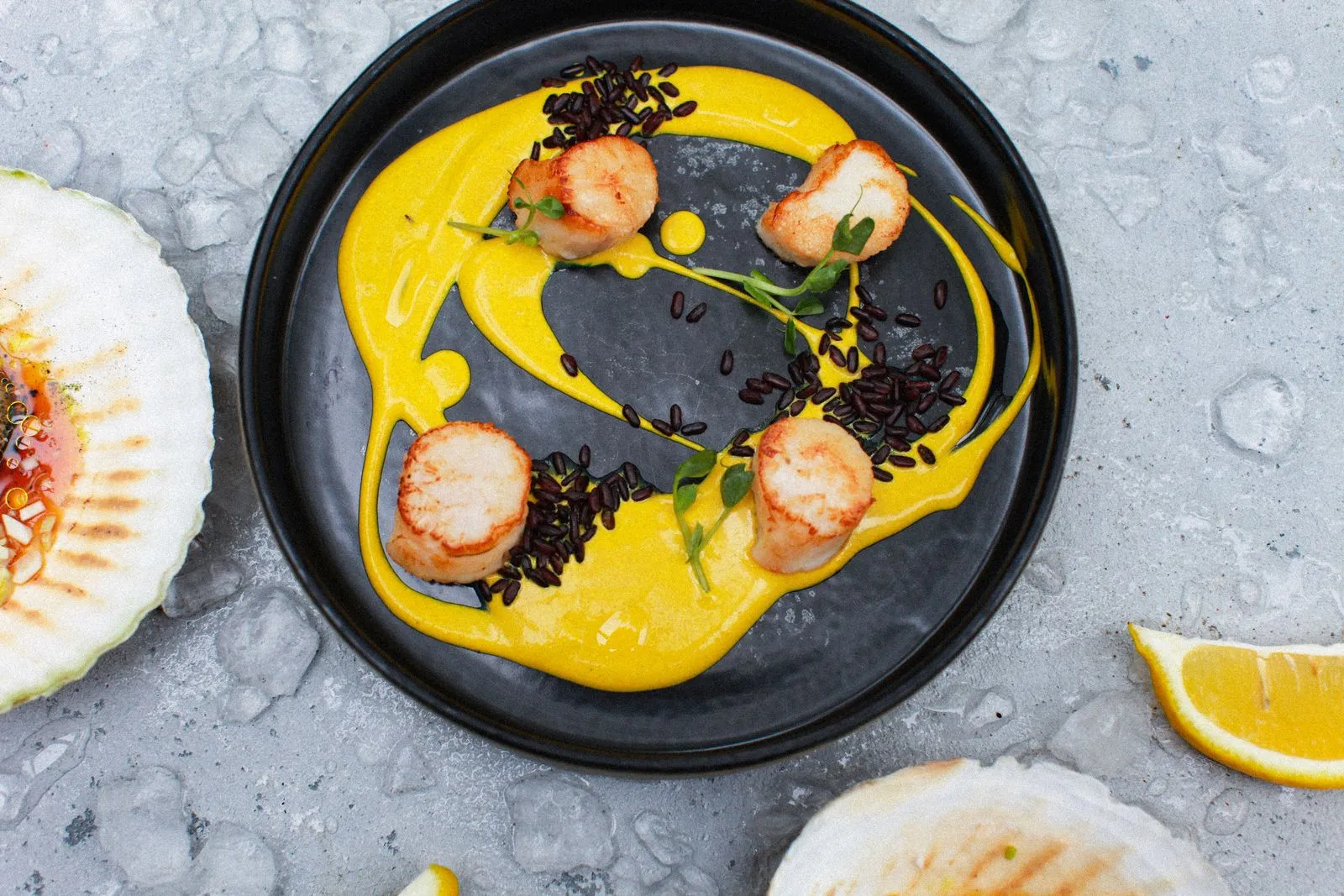
A good seafood order starts with more than choosing a fish you recognize. Freshness depends on how seafood was handled, stored, and prepared, and a restaurant menu may not explain every detail. You can make a more informed choice by noticing the dish’s aroma, texture, and preparation, then asking a few direct questions about sourcing and handling. These steps help you set realistic expectations and find an option that suits your taste, whether you prefer a mild white fish, shellfish, or a richer fillet.
Notice the Aroma and Appearance
Cooked seafood should smell clean and appetizing, not strongly fishy, sour, or ammonia-like. A pronounced odor can be a warning sign, though seasonings, sauces, and cooking methods may affect what you notice. If something smells off when the plate arrives, pause before eating and tell your server. Don’t try to judge freshness by smell alone; handling, temperature, and preparation also matter.
Look for seafood that appears moist and intact rather than dry, mushy, or discolored. A cooked fillet should generally hold together, while shellfish should look plump rather than shriveled. These are useful clues, not guarantees: different species and cooking styles naturally vary in color and texture. If the dish looks markedly different from its menu description, ask the server to clarify.
Ask About the Catch
Ask what species the restaurant is serving and where it came from. “What kind of fish is this?” and “Where was it sourced?” are clear, practical questions. A knowledgeable server may be able to name the species, region, or supplier. If the answer is simply “white fish,” ask whether the kitchen can identify the specific fish; species affects flavor, texture, and cooking time.
You can also ask whether the seafood is wild-caught or farm-raised, and whether it arrived fresh or frozen. Frozen seafood is not automatically lower quality: careful freezing can preserve quality, and some seafood is frozen soon after harvest. What matters is proper storage and thawing. If the menu says “local” or names a catch, ask what that means for the particular dish and whether the information is current.
Check Handling and Preparation
Ask how the kitchen prepares the seafood and whether it can be cooked to your preference. Cooking guidance varies by species and cut, so the server or kitchen can explain what works best. For raw or lightly cooked dishes, ask whether the seafood is intended to be served that way and whether the restaurant can describe its handling practices. These questions are especially important for people at higher risk from foodborne illness, who should avoid raw or undercooked seafood.
For shellfish, ask when the item was prepared and how it is served if timing or temperature concerns you. If a dish arrives lukewarm when it should be hot, or has a texture that seems unexpectedly soft or dry, bring it to the server’s attention promptly. A restaurant should be able to respond to a specific concern without guessing about what is on your plate.
Use the Menu as a Starting Point
Read the menu for details such as species, origin, cooking method, and accompaniments. A specific description gives you more to discuss than a broad label such as “catch of the day.” Ask which fish is available today, how it will be cooked, and whether the preparation includes ingredients that could mask its flavor. If you have allergies or dietary restrictions, identify them clearly before ordering.
Choose a preparation that lets the seafood’s natural character come through if freshness is your priority. Grilling, steaming, or a simple pan-sear can make texture and flavor easier to assess than a heavily sauced dish. Still, seasoning does not prove or disprove freshness. Consider the full answer from the staff, the dish’s condition, and whether the restaurant handles your questions clearly.
To choose seafood confidently, look for a clean aroma and sound texture, then ask about species, source, storage, and preparation. No single sign tells the whole story, but specific answers help you make a better-informed order. If you’re dining at Summit Tide Grill, ask the team about the seafood on today’s menu and how it’s prepared.